30 CVs Sent, One Flight Booked: Why Recruitment Founders Need Fractional Support, Not a VA
By RecTalk Media
Real talk: admin is eating your desk alive. According to Totaljobs research (opens in a new tab), recruiters spend an average of 17.7 hours per vacancy on manual admin, which is more than two working days per hire. The same survey of 748 HR leaders found 2.5 hours per vacancy go on scheduling interviews alone (opens in a new tab), and 61% say manual tasks such as data entry slow hiring down (opens in a new tab). So who picks all that up when the founder finally gets on a plane?
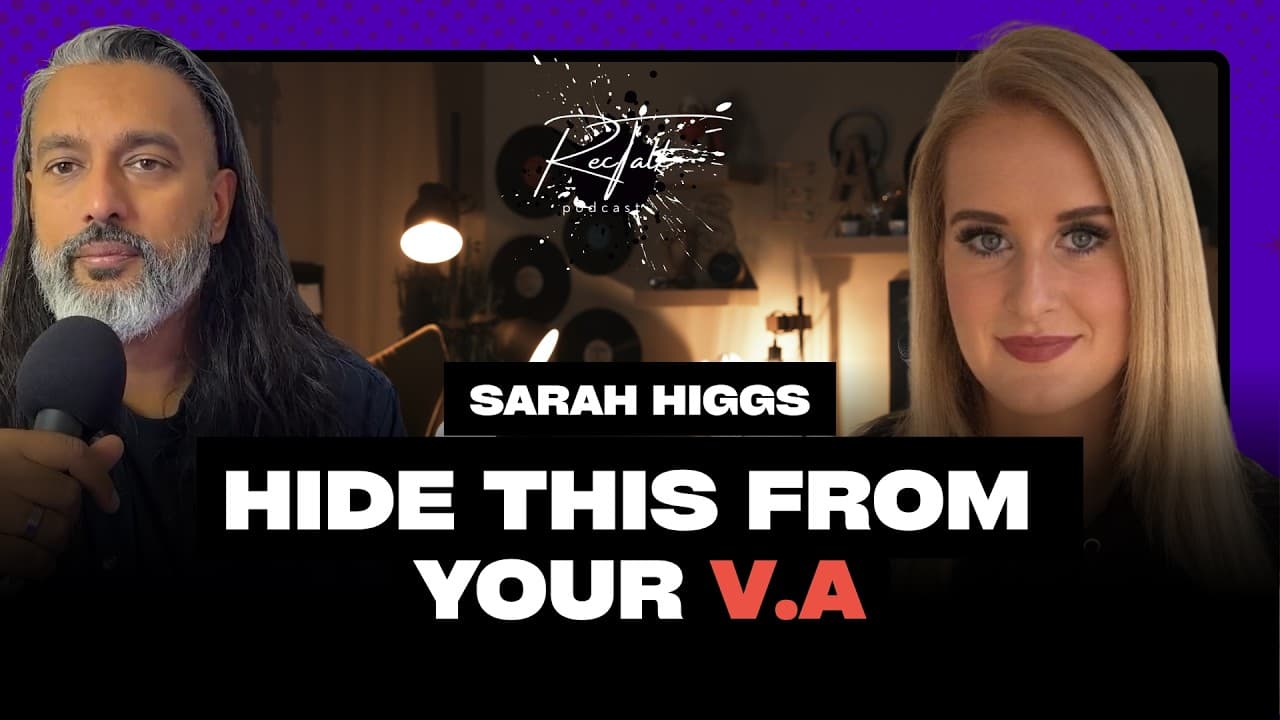
On the latest episode of RecTalk, Nitin Sharma sat down with Sarah Higgs, founder of Recruitment Angel, to dig into why "virtual assistant" sells short what a good operational partner actually does. Quick disclosure: Sarah and her team look after RecTalk Media's invoicing, chasing and contracts, so Nitin talks from experience. You can watch or listen to the full episode here (opens in a new tab).
The 30-CV holiday: what real cover looks like
Sarah's favourite story of the year? A solo founder heading off on a three-and-a-half-week trip of a lifetime. In true recruiter fashion, he messaged her: "Right, I need your help. I've sent 30 CVs off. I'm getting on a plane."
What followed was the stuff that usually wrecks a holiday:
- Booking interviews with clients and candidates as they came back
- Handling feedback and keeping candidates updated on where they stood
- Managing his entire inbox while he was away
- A full briefing on his return: who interviewed where, what offers landed and what was still outstanding
His brief was simple. As Sarah put it: "If a new job comes in, WhatsApp me. If not, you deal with it." Instead of coming home to hundreds of emails, he read one update, had a chat with Sarah and got straight back to it.
For businesses that do have a team, the same idea saves your people from doing the day job and the director's job. Sarah describes it as "acting like a bit of a human out of office", because an auto-reply can't answer the invoice query that genuinely needs answering.
Why recruitment experience matters
This is where the VA comparison falls over. Sarah's whole team has a recruitment background, and they're all UK-based, which is deliberate.
"I want to differentiate us massively from the other offshore models that there are," she said. If you've never worked on a desk, you won't know why you're booking that interview or how to handle the feedback. Sarah's team has done it from the other side.
Her non-negotiable is that clients never have to chase: "What is the point of having support if you then have to spend time following up and saying, is this done?"
CRM migrations without losing a month's billing
Changing CRM is the stuff of buyer's-remorse nightmares. Sarah's team is currently supporting a 10-person agency through one, with years of data moving across. Their role covers:
- Dealing with the old CRM provider, the new one and their support teams, so the founder doesn't have to
- Checking that "everything that's been migrated by their tech support is accurate" and in the right place
- Building a step-by-step playbook with screenshots and Loom videos showing how the team's old workflows work on the new system
That playbook was Sarah's own suggestion. It has since grown to include company policies and employee handbooks, so it's become what she calls the company "bible", with everything in one place rather than scattered across shared drives.
Paying for a CRM you barely use?
Asked for the one piece of tech every recruitment business needs, Sarah kept it simple: "People underestimate the value of having a really well-looked-after CRM system."
She's worked with a founder who'd paid for a CRM for almost a year while doing very little with it. It wasn't linked to her emails or accounts, so placements and invoices were all being handled outside the system. Sarah's team got it properly set up so she stopped doing everything twice.
Her warning to anyone wandering round an expo with a fresh budget: if you're not looking after your CRM first, there's no point bolting on the shiny new tool. (For the record, her pick in Nitin's quickfire round was Bullhorn, which she reckons is "really coming back".)
Fractional, not virtual
Nitin's branding verdict was blunt: "You're not a virtual assistant. You're fractional. You're plugging into the business on a fractional basis."
That might mean fractional finance support, recruitment admin while you're away, marketing collateral, podcast guest management or a market insight report that goes way beyond a list of salaries. Sarah calls it "best of both worlds": fractional-level expertise with VA-style flexibility, starting from a minimum of 10 hours a month. "That's a couple of hours a week," she said.
The co-founder you didn't hire
For solo founders, the most valuable bit might be having someone to think out loud with. Sarah doesn't do yes-man: "I'm not the sort of person where I'm just going to say, yeah, that's great, great idea, let's do it."
She also turns ideas into plans, because otherwise they "just dissolve as quickly as they appeared in the first place." Nitin remembers going solo and agrees that sometimes having someone to sense-check your thinking "in itself is worth paying for".
Back yourself
Sarah's closing advice for founders riding the recruitment rollercoaster was all about imposter syndrome. When a deal falls through, "take a minute and pull away from that negativity" and look at what you've already achieved. Her words: "Always back yourself."
Want the full story, quickfire round and all? Watch or listen to Sarah Higgs on RecTalk (opens in a new tab), and check out Recruitment Angel on rectools®.