Stop Switching Job Ads On and Off: How 12 Months Always-On Can Halve Cost per Quality Application
By RecTalk Media
Hey folks. If your recruitment advertising gets switched on when there's a hiring panic and off again when the roles are filled, this one's for you. LinkedIn's own employer brand stats roundup (opens in a new tab) says 72% of recruiting leaders worldwide agree employer brand has a significant impact on hiring, and that 52% of candidates go to a company's sites and social media first to find out about an employer. Top Employers Institute, also citing LinkedIn (opens in a new tab), says companies with strong employer brands cut their cost-per-hire by 50% and get 50% more qualified applicants.
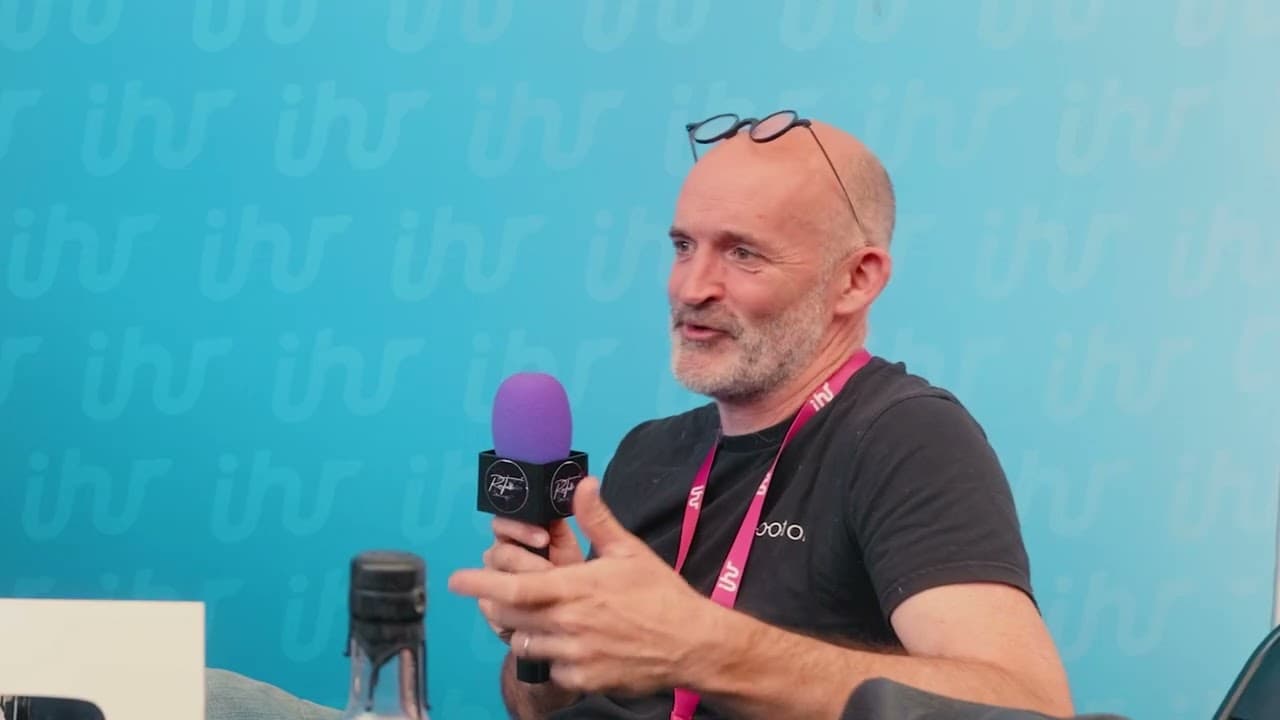
On the latest RecTalk, recorded live at the IHR Live Lounge in London, Nitin Sharma sat down with Stephen Anderson, CEO of Crooton (on the channel for the first time, and newly a rectools® recommended service provider) about geofencing, billboards and why the on/off approach keeps costing you more. Watch or listen to the full episode on RecTalk (opens in a new tab).
What Crooton actually does (and who it's for)
Stephen kept the elevator pitch simple: "We offer some tools and services around reaching both active and passive candidates. So largely location based."
Think warehouses that need forklift drivers or a new hotel that needs hundreds of staff. "If you're looking for high volume recruitment or lots of heads in a particular location, we deliver solutions which mean that your marketing spend isn't wasted. It's really focused, really directed."
Clients are mostly large enterprises and big RPOs, including a lot of current work on new data centres around the world.
Geofencing 101: ring-fence a building, build an audience
Crooton has been going for almost seven years, and it's best known for geofencing. Stephen described it as "the ability to ring fence a specific location and then build an audience of people going into that space, driven by location services on your mobile."
Fun fact: Crooton launched as a fixed-fee recruitment business. Stephen's business partner, who came from digital marketing, brought geofencing into its campaigns, and the results have driven the company's growth ever since.
Why billboards are back in the mix
Ask Stephen what surprised him most and he doesn't hesitate: "I think digital out of home has been a real game changer for us."
Here's the play:
- Geofence a specific office building and build an audience of the people who go in.
- Buy the digital billboards on the street outside, or at the local bus stop.
- Back it up with social media, newspapers and print.
"You're reinforcing that message," Stephen said. "It's not one touch point, it's multiple touch points, which is when people engage."
AI helps, but it isn't the whole story
No "AI-first" fluff here. AI helps pinpoint target markets, but Stephen said "a big part of what we do is buying in third party data, layering it in with client data that they can supply, which might be really unique to them."
Combine those and you can see where, say, developers live and work, and which areas to target. His summary: "AI is important but it's only a part of what we do."
The claim: 50% off cost per quality application in 12 months
Nitin, an agency man himself, admitted that "passive market" in agency land often just meant people he hadn't spoken to in ages. Stephen's version takes more work: map the audience, get a clear message in front of them, and keep building an employer brand over time.
Then the big number, from Crooton's own data: "If you run an employer branding campaign over the 12 month period, you could expect to see a 50% reduction in your cost per quality application. Not cost per application… but the ones that you actually take to interview."
He said it builds up over time. In the first three months, "you might expect to see a 10% reduction in your cost per quality application because you're getting more people coming directly to you rather than having to buy traffic."
The on/off trap that's draining your budget
Anyone who's sat through a budget meeting will know this one:
"People go, I've got a specific need now. I need 50 people for this location. They turn it on. Three months later, brilliant… we filled all the roles, turn it off. You lose all of the audience that you're engaging with. You can't retarget them, they've gone."
The result? "In six months' time, you start from scratch."
His fix is to spread the same budget across the year: "It's not about us taking more money from our clients. We would prefer them to go, right, let's spread this so it's an always-on campaign over a 12 month period."
What to take into budget season
- Keep job boards in the mix. Stephen calls them "probably going to be your cheapest route for volume".
- Measure cost per quality application, not just cost per application.
- Run campaigns all year so you keep the audience you've paid to build.
- Use several channels so your message reaches people more than once.
Stephen's parting shot: "Job boards are going to continue to play an important part of the mix, but think about the long-term cost of your acquisition."
Want the full chat? Catch the episode on RecTalk (opens in a new tab), or check out Crooton on rectools®.